Numerosi rapporti ci suggeriscono che gli attacchi basati su codici malevoli rappresentano la maggioranza delle offensive cui osserviamo, tra esse la fanno da padrona i ransomware e gli info-stealer, questi ultimi sono malware concepiti per rubare un gran numero di informazioni dai sistemi infetti. Premesso ciò, chiediamoci quale sia la disponibilità sul mercato criminale di questi strumenti, quali siano i costi ed il modello di vendita.

A new study by Juniper Research has found operators will generate $27 billion from the termination of SMS messages related to multi-factor authentication in 2022; an increase from $25 billion in 2021. The research predicts this 5% growth will be driven by increased pressure on digital service providers to offer secure authentication that reduces risk of data breaches and protects user identity. Multi-factor authentication combines multiple credentials to verify a user or transaction. This includes sending an SMS that contains a one‑time password or code to a user’s unique phone number.

Tracking, marketing, and analytics firms have been exfiltrating the email addresses of internet users from web forms prior to submission and without user consent, according to security researchers.
Web users enter their email addresses into online forms for a variety of reasons, including signing in or signing up for a service or subscribing to a newsletter. While enabling such functionality, email addresses typed into forms can also be collected by third-party scripts even when users change their minds and leave the site without submitting the form.
The US Department of Justice today said that Moises Luis Zagala Gonzalez (Zagala), a 55-year-old cardiologist with French and Venezuelan citizenship residing in Ciudad Bolivar, Venezuela, created and rented Jigsaw and Thanos ransomware to cybercriminals.
In this analysis, Cyble looks at the Eternity Malware suite, listing a wide variety of malware for sale on Telegram.

Sometimes when we publish details and writeups about vulnerabilities we are so focused on the actual bug, that we don't notice others, which might be still hidden inside the details. The same can happen when we read these issues, but if we keep our eyes open we might find hidden gems.
Download Slides

Rules for industries and governments aim to prevent all-out cyber breakdown.

The Linux Foundation and the Open Source Software Security Foundation (OpenSSF) brought together over 90 executives from 37 companies and...
While Windows holds the largest market share on malware, macOS has its fair share of threats that mostly exist in an adware/grayware area. In this post I want to walk through how a Pirrit PKG file installer works. There are lots of more complex threats, but this is a good place to start if you’re just jumping into analysis. If you want to follow along at home, I’m working with this file in MalwareBazaar: https://bazaar.abuse.ch/sample/d39426dbceb54bba51587242f8101184df43cc23af7dc7b364ca2327e28e7825/.

Flaw makes it possible to install web shell to maintain control of affected devices.

Researcher shares how he unearthed newer bugs in Apple's operating system by closer scrutiny of previous research, including vulnerabilities that came out of the Pwn2Own competition.

La dernière salve de correctifs de Microsoft comble 74 vulnérabilités incluant 7 de niveau critique. Classée comme importante et d'un score CVSS de 8.1, la faille CVE-2022-26925 de type Windows LSA Spoofing est à corriger d'urgence.
CVE-2022-26925 : Microsoft a corrigé une faille de sécurité zero-day qui touche toutes les versions de Windows et qui permet une attaque par relais NTLM.

The attack on Viasat showcases cyber’s emerging role in modern warfare.
The JFrog Security Research team identified and quickly disclosed new npm malicious packages aimed at compromising leading industrial organizations
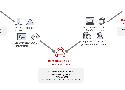
Microsoft coined the term “human-operated ransomware” to clearly define a class of attack driven by expert humane intelligence at every step of the attack chain and culminate in intentional business disruption and extortion. In this blog, we explain the ransomware-as-a-service affiliate model and disambiguate between the attacker tools and the various threat actors at play during a security incident.

The Costa Rican President Rodrigo Chaves has declared a national emergency following cyber attacks from Conti ransomware group on multiple government bodies.
BleepingComputer also observed Conti published most of the 672 GB dump that appears to contain data belonging to the Costa Rican government agencies.
The declaration was signed into law by Chaves on Sunday, May 8th, same day as the economist and former Minister of Finance effectively became the country's 49th and current president.

Si depuis l’offensive Russe en Ukraine, le « cyber Pearl Harbor » tant redouté n'a pas fait la Une de l’actualité, les assauts contre les infrastructures numériques de l’Ukraine et incidemment dans le reste de l’Europe ont bien été constatés.
Cyble Analyzes Saintstealer, an infostealer using a C&C server with known links to other popular infostealers.


