
On Thursday, the Jenkins security team announced 34 security vulnerabilities affecting 29 plugins for the Jenkins open source automation server, 29 of the bugs being zero-days still waiting to be patched.

During the fall of 2022, a few friends and I took a road trip from Chicago, IL to Washington, DC to attend a cybersecurity conference and (try) to take a break from our usual computer work.
While we were visiting the University of Maryland, we came across a fleet of electric scooters scattered across the campus and couldn't resist poking at the scooter's mobile app. To our surprise, our actions caused the horns and headlights on all of the scooters to turn on and stay on for 15 minutes straight.
When everything eventually settled down, we sent a report over to the scooter manufacturer and became super interested in trying to more ways to make more things honk. We brainstormed for a while, and then realized that nearly every automobile manufactured in the last 5 years had nearly identical functionality. If an attacker were able to find vulnerabilities in the API endpoints that vehicle telematics systems used, they could honk the horn, flash the lights, remotely track, lock/unlock, and start/stop vehicles, completely remotely.
Researchers in China claim to have reached a breakthrough in quantum computing, figuring out how they can break the RSA public-key encryption system using a quantum computer of around the power that will soon be publicly available.
Breaking 2048-bit RSA — in other words finding a method to consistently and quickly discover the secret prime numbers underpinning the algorithm — would be extremely significant. Although the RSA algorithm itself has largely been replaced in consumer-facing protocols, such as Transport Layer Security, it is still widely used in older enterprise and operational technology software and in many code-signing certificates.
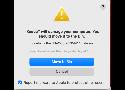
macOS may alert you when you’re trying to open or run a file, with an alert informing you that malware was detected. But what about in scans?

Music-streaming service Deezer has owned up to a data breach, after hackers managed to steal the data of over 200 million of its users.

The ASEC analysis team recently discovered that a Linux malware developed with Shc has been installing a CoinMiner. It is presumed that after successful authentication through a dictionary attack on inadequately managed Linux SSH servers, various malware were installed on the target system. Among those installed were the Shc downloader, XMRig CoinMiner installed through the former, and DDoS IRC Bot, developed with Perl.
A group of Chinese researchers have just published a paper claiming that they can—although they have not yet done so—break 2048-bit RSA. This is something to take seriously. It might not be correct, but it’s not obviously wrong.
More than 200 local governments, schools and hospitals in the U.S. were affected by ransomware in 2022, according to research conducted by cybersecurity firm Emsisoft.
The annual “State of Ransomware in the US” report found that 105 local governments; 44 universities and colleges; 45 school districts; and 25 healthcare providers operating 290 hospitals dealt with ransomware attacks last year.
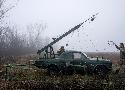
Ukraine has achieved a cut-price version of what the Pentagon has spent decades and billions of dollars striving to accomplish: digitally networked fighters, intelligence and weapons.

In a New Year's Eve apology, the LockBit ransomware gang has expressed regret for attacking Toronto's Hospital for Sick Children and sent a free decryptor so files can be unscrambled. According to Brett Callow, a B.C.-based threat analyst for Emsisoft, the gang posted a message on its site claiming the attack was the work of an affiliate and violated their rules.


